

- Game Development
- >
- Game Porting
Game Porting Services
Trusted By
Brands, Studios And Businesses Worldwide









FROM ONE PLATFORM TO THE NEXT
WHAT HAS TO MOVE
WITH THE GAME
The game may be familiar, but the environment around it is not. Hardware limits, input, platform services, build rules, and performance targets can all change when a title moves somewhere new.
Our game porting services cover the technical areas needed to bring an existing title to PC, console, or mobile without losing the experience players already know.
Platforms
- PC
- PlayStation
- Xbox
- Nintendo Switch
- iOS & Android
Platform Integrations
- Platform SDKs
- Controller & Input
- Cloud Saves
- Multiplayer
- Store Services
Engines & Codebases
- Unity
- Unreal Engine
- Custom Engines

Performance Focus
- Frame Rate
- Memory
- Loading
- Rendering
- Input Latency
- Network Behavior
Porting Paths
- PC → Console
- Console → PC
- PC → Mobile
- Mobile → Console
- Multi-Platform

Release Support
- Compatibility Testing
- Build Validation
- Regression QA
- Compliance Readiness
- Submission Support
- Post-Launch Updates

BEHIND THE PORT
KEEPING THE PORT CLEAN
AS THE GAME EVOLVES
Getting the game running on another platform is only part of the job. The port also has to remain workable when the original build changes, dependencies move on, or another release follows.
That means deciding early what stays shared, what becomes platform-specific, and how each build stays manageable over time.
AUDIT BEFORE BRANCHING
Before platform work begins, we review the codebase, engine setup, plugins, build pipeline, and known issues. The aim is to identify constraints before they become buried inside platform-specific changes.
SHARED CORE, PLATFORM LAYERS
Common gameplay and content stay shared where practical, while controls, platform services, rendering hooks, and other target-specific work are isolated. Carry future fixes easily across builds.
DEPENDENCIES WITH A PLAN
Unsupported plugins, middleware, and SDKs are identified early. Where necessary, we replace, update, wrap, or rework them so a single dependency does not block the wider port.
BUILDS THAT STAY IN SYNC
Build automation, versioning, and release branches are structured so platform fixes do not drift away from the main game. That matters when the original title continues receiving updates.
PORTING FOR PC, CONSOLE & MOBILE
Game porting services may begin with a shipped game, an active production build, or a codebase that was never designed for the target platform.
We start with what already exists, then scope the work around the destination: what can stay intact, what needs to change, and what the new platform expects from the build.
Multi-Platform Porting
Coordinate several target platforms from a shared codebase while separating common work from platform-specific adaptation to reduce duplicated engineering to keep releases manageable.
Console Game Porting
Prepare PC or mobile titles for PlayStation, Xbox, or Nintendo platforms with hardware-specific optimization, SDK integration, input adaptation, testing, and release preparation.
PC Game Porting
Bring console or mobile games to PC while accounting for graphics settings, input methods, resolutions, hardware variation, storefront services, and performance across target configurations.
Mobile Game Porting
Adapt existing PC, console, or mobile titles for Android and iOS with touch controls, interface changes, SDKs, device compatibility, performance work, and store requirements.
Engine & Code Migration
Move games between engine versions, supported technologies, or legacy code environments when the existing architecture no longer meets the needs of the target platform.
QA & Release Support
Validate builds through compatibility checks, regression testing, performance verification, platform-specific QA, submission preparation, and agreed post-release fixes.
DOES YOUR PROJECT GO BEYOND PORTING?
A new platform may be only one part of the roadmap. If the project also needs feature development, multiplayer or backend engineering, game art, LiveOps, or broader PC and console production, our wider Game Development team can support the work around the port.
EXPLORE GAME DEVELOPMENT SERVICESBEFORE PORTING BEGINS
THE QUESTIONS THAT SHAPE
A CLEAN PORT
Most porting surprises come from assumptions that worked on the original platform but fail somewhere else. A few questions answered before engineering begins can prevent substantial rework later.
How Healthy Is the Existing Build?
Old engine versions, missing source, plugins, middleware, backend dependencies, and known issues all influence what can move cleanly. We identify those constraints before they turn into porting blockers.
What Changes on the Target Platform?
Hardware limits, rendering behavior, memory, controls, UI, save systems, networking, and platform services may all behave differently. Those differences need to be understood before the porting plan is fixed.
What Must Stay Shared Across Builds?
If the original game will keep receiving updates, shared code, content, and platform-specific branches need clear boundaries. Otherwise, maintaining several versions becomes harder with every release.
What Has to Be Ready for Release?
SDK integrations, compatibility checks, platform requirements, performance targets, testing, and submission preparation should be mapped early rather than discovered after the port appears complete.
WAYS TO WORK WITH US
CHOOSE HOW MUCH OF THE PORT
YOU WANT US TO OWN
Some teams want one partner responsible for game porting services through release. Others already have developers in place and need specialist help with a particular platform or technical problem. We can structure the engagement around the work you want to hand over.
01
YOU WANT ONE TEAM FOR THE PORT
END-TO-END GAME PORTING
Hand us the existing build and target-platform scope. We can take responsibility for technical assessment, platform adaptation, integrations, optimization, QA, release preparation, and agreed post-launch support.
02
YOUR PRODUCTION TEAM STAYS IN CONTROL
PORTING CO-DEVELOPMENT
Bring us into a defined part of the production pipeline while your team continues owning the wider game. We can handle a target platform, integrations, performance work, QA, or other agreed porting responsibilities or work based on your requirements.
03
AN EXISTING PORT NEEDS ATTENTION
PORT RECOVERY & STABILIZATION
If a port is blocked, unstable, or underperforming, we can review the inherited code, build pipeline, dependencies, integrations, and platform-specific issues before defining what needs to be fixed or reworked.
PROJECT SCOPING
HOW MUCH DO GAME
PORTING COST?
Game porting cost depends on the condition of the existing codebase, source and target platforms, engine support, performance requirements, integrations, multiplayer systems, QA, and release requirements.
The ranges below provide an indicative planning reference for common scopes rather than fixed packages. One project may span more than one category, and a reliable estimate follows a technical review of the existing build and target platforms.
LIGHT SINGLE-PLATFORM PORT
$10K-25K
Planning Range
1 to 2 months
Indicative Timeline
STANDARD SINGLE-PLATFORM PORT
$20K-50K
Planning Range
2 to 4 months
Indicative Timeline
COMPLEX & Heavy 3D / AAA Game PORT
$40K-100K+
Planning Range
3 to 6 months
Indicative Timeline
MULTI- PLAYER & ONLINE PORT
$50K-120K+
Planning Range
4 to 8+ months
Indicative Timeline
MULTI-PLATFORM OR LEGACY PORT
$75K-200K+
Planning Range
6 to 12+ months
Indicative Timeline
FROM THE BLOG
THE QUESTIONS BEHIND THE MECHANICS
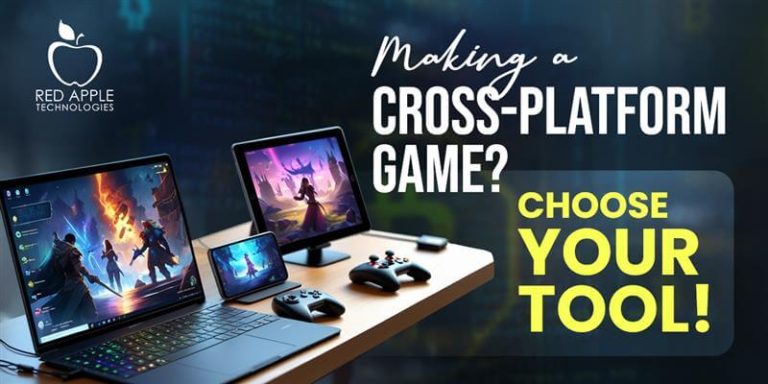
Best Cross-Platform Tools for Game Developers (With Examples)
Gaming hardware has increased in variety over the decades, and players have been showing great interest in experiencing their favorite games across different platforms and screen sizes. It has given…
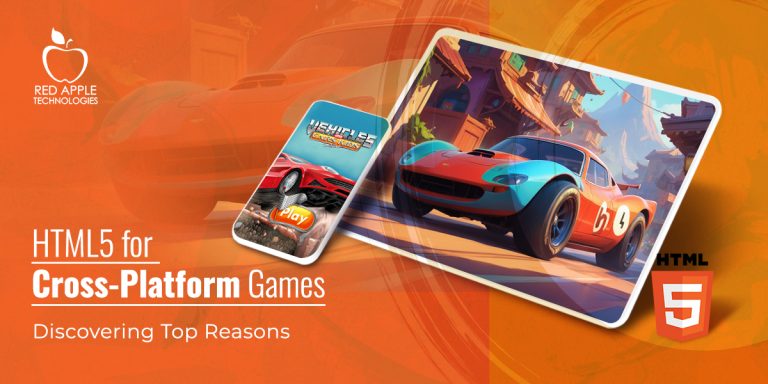
Why Should You Choose HTML5 In Cross-Platform Game Development?
As the global game industry is evolving into a competitive segment, releasing cross-platform browser games is emerging as a lucrative option for businesses. Besides enhancing their market and audience reach…
Why Cross-Platform Game Development is Becoming Popular?
Presently, there are over 3.2 billion video gamers around the world. This presents an exciting opportunity for enterprises in the USA and Canada to boost their market and user reach.…
Frequently Asked Questions
A playable build and access to the existing project are the most useful starting points. Depending on the scope, we may also review the source code, engine version, plugins, middleware, backend dependencies, platform integrations, known issues, and the platforms you want to target. The goal is to understand the existing game well enough to scope the port realistically.
Potentially. We first determine what is actually available, what can be reconstructed from the existing project, and whether missing dependencies or undocumented systems create significant technical risk. If important pieces are unavailable, we identify what would need to be recovered, replaced, or rebuilt before committing to the port.
Yes, provided the existing technology can be assessed and adapted for the target environment. Custom-engine projects often need deeper work around rendering, input, platform APIs, build systems, middleware, and hardware-specific behavior than titles built on widely supported engines. We review those dependencies before defining the approach.
Yes. A technical assessment can establish whether the target platform is realistic for the existing game, identify major engineering risks, and show which systems are likely to need adaptation or replacement. That gives you a clearer basis for deciding whether to proceed before committing to a larger production scope.
That depends on how much technology can remain shared and how different the target platforms are. Parallel development can make sense when the architecture supports it, while staged releases may reduce risk when performance constraints, integrations, controls, or platform requirements differ substantially. We recommend the sequence after reviewing the build and release priorities.
We determine whether it can be updated, replaced, isolated behind a platform-specific implementation, or removed without changing the intended experience. Some dependencies need relatively contained substitutions. Others affect larger systems such as networking, authentication, analytics, payments, or rendering and require deeper engineering work.
Not every early assessment requires platform access. However, console SDKs, development resources, hardware, testing processes, and submission workflows may require the appropriate developer or publishing approvals. We identify those dependencies early, so access requirements can progress alongside the port.
Yes. We can sign your NDA or provide ours before you share confidential project information, source code, builds, documentation, or other protected materials. Once confidentiality is in place, we can review the technical information needed to scope the port properly.
THINKING ABOUT A
NEW PLATFORM?
Get a reply within 24 hours
Tell us where the project stands today. We'll start there.


 Book An Appointment
 WhatsApp