










EVERY SYSTEM THE GAME NEEDS
Our Game Development Services
Games come to us in different shapes. Some clients arrive with only a concept. Some have a prototype that needs structure. Others need a co-development or game development outsourcing partner to stabilize production, improve performance, or prepare a build for launch.
Our game development company first understands the project, then defines the next practical step. From there, we bring together design, engineering, art, QA, porting, and LiveOps support around a clear production plan.
WHERE WILL PLAYERS PRESS START?
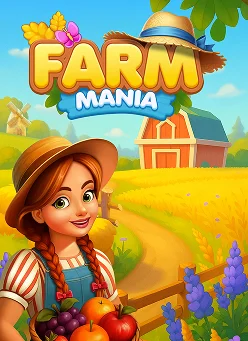
Mobile Game Development
Mobile games have to feel smooth from the first tap and keep players coming back.
We build Android, iOS, and cross-platform titles across casual, hybrid-casual, puzzle, simulation, RPG, multiplayer, and social game formats with performance and retention in mind.

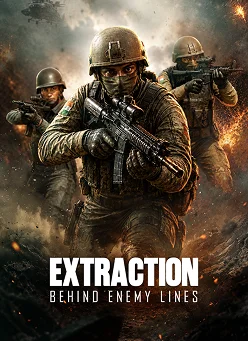
PC Game Development
PC games give players room to stay longer, go deeper, and expect more from the build. We develop action, RPG, simulation, strategy, multiplayer, and cross-platform titles with stable systems, responsive controls, optimized performance, and production-ready architecture.

Console Game Development
Console games need platform-aware planning before production moves too far.
We support controller-first interaction, UI adaptation, performance optimization, save systems, porting, QA, and release prep so the experience feels built for the target device, not simply converted.
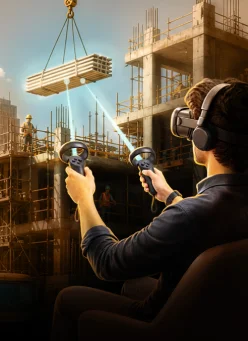
AR/VR Game Development
Comfort is tested before spectacle. Spatial interaction, device-specific controls, readable UI, optimized 3D environments, and target-hardware QA are shaped around how people move and play, creating AR, VR, MR, and XR experiences that feel natural, responsive, and comfortable.
WHAT POWERS THE PLAY?
Game Development Solutions
Beyond the Core Build
Solutions that bring our game development services together across platforms, engines, and production disciplines to solve real game development challenges. From art and backend to porting, QA, and LiveOps, we help studios move faster without juggling multiple vendors.

Game LiveOps
Once the game is live, the roadmap turns to retention: content drops, events, balancing, telemetry reviews, bug fixes, and release planning keep the experience stable, support regular updates, and give players reasons to return.

Game Porting
Porting is a controlled rebuild of platform-specific behavior, not a simple export. Controls, UI, memory use, services, performance, and compliance are adapted so the game works reliably without losing its original feel.

Gamification
Start with the behavior the product must influence. Progression, rewards, challenges, feedback loops, and leaderboards are shaped around measurable outcomes in learning, loyalty, productivity, or customer participation.

Game Art & Animation
From the first concept sketch to the final engine import, visual quality and technical discipline move together-covering characters, environments, props, UI, animation, VFX, cinematics, and production-ready asset delivery.

Esports Solutions
Our esports solutions cover tournament platforms, matchmaking, rankings, player and team systems, spectator experiences, and real-time operations. Build around a new title, extend an existing game, or support standalone competition.

iGaming Game Solutions
Bespoke game development solutions for casino, slot, table and other iGaming games, covering game design, development and provider integration. We build engaging, secure and scalable gaming experiences tailored to your business requirements.
1
StepDiscovery & Brainstorming
We interrogate the idea like producers, not salespeople: audience, genre benchmarks, platform realities, monetization intent, existing code or art if any. You get honest feasibility feedback - including what we'd cut.
Output: Scope map + risk register2
StepPre-Production Lockdown
Game Design Document, technical architecture, art bible, KPI dashboard and milestone plan - locked and signed off. Engine choice, backend strategy and platform pipeline decided with written trade-off rationale.
Output: Signed GDD + delivery plan3
StepVertical Slice
A playable slice of the core loop at target quality - real controls, real art, real feel. This is where the game proves itself before full production spend, and where stakeholders make decisions on something they can hold.
Output: Playable build on your device4
StepAlpha → Beta → Gold
Art, systems and levels move through one coordinated pipeline with sprint demos every cycle. QA runs regression on every merge via the RAT AI Copilot. You see working builds, sprint reports and bug dashboards - not status decks.
Output: Reviewed build every sprint5
StepPerformance & Polish
Frame-rate budgets enforced per device tier, memory and battery profiling, load-time targets, store-asset polish. This is the phase most vendors skip - and the one players feel most.
Output: 60 FPS on mid-range targets6
StepStore & Platform Submission
App Store, Google Play, Steam and console compliance handled in-house - checklist-driven pipelines built from hundreds of submissions, which is how we hold a 98%+ first-pass approval rate.
Output: Approved, live listing7
StepLaunch & Beyond
Crash monitoring, event calendars, economy tuning, content drops, A/B tests. Launch is the start of the relationship - our longest-running titles have been in continuous LiveOps for years.
Output: 99.7%+ crash-free sessions
Our Game Development
Process
Game development gets difficult when the plan is unclear, the art pipeline is disconnected, or QA enters too late. Our game development company keeps the process visible from the start, so you know what is being designed, built, tested, and prepared for release.
Each stage has defined inputs, review points, and deliverables. That gives your team a clearer view of progress before the final build arrives.
Plan Your Game Roadmap
Selected Game Projects
BUILT FOR REAL PLAYERS
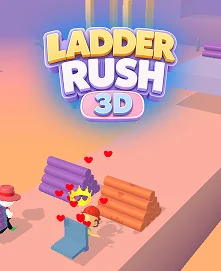
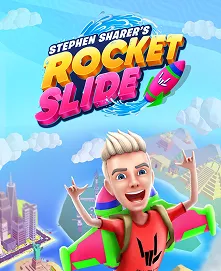
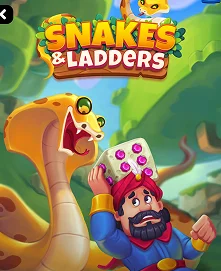
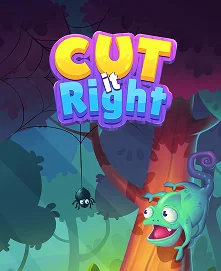
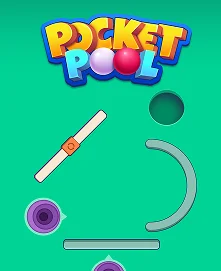
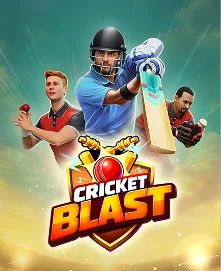
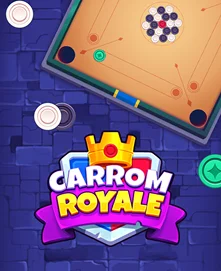
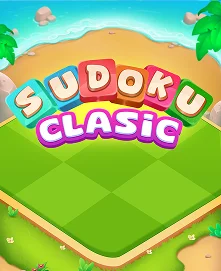
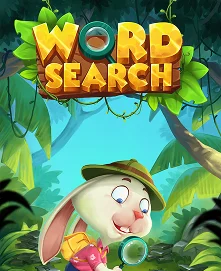
From quick-play mobile titles to PC, console, browser, and immersive experiences, explore a selection of games spanning different genres, art styles, technologies, and ways to play. Our portfolio is a testament to our game development services and every talent behind them.











Recent Game Development Work
STEP INSIDE THE BUILDS
Explore approved game projects where our team contributed to design, development, art, backend, testing, optimization, or post-launch support.
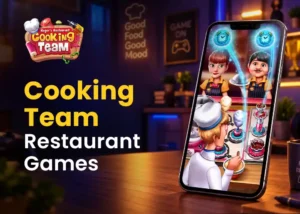
Requirement:
Cooking Team: Restaurant Games is a time-management restaurant simulation developed for Golden Gate ...
Our Solutions:
We connected the kitchen rush to a scalable progre...
10M+
Downloads223K+
Reviews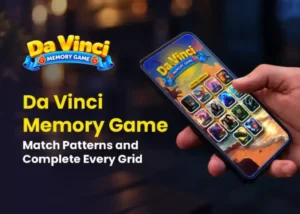
Requirement:
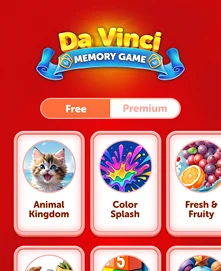
Da Vinci Memory is a mobile-based puzzle game. It is designed around a memory-matching mechanic in w...
Our Solutions:
We kept the mechanic simple and scaled everything ...
10K+
Downloads250%
Growth in Card Count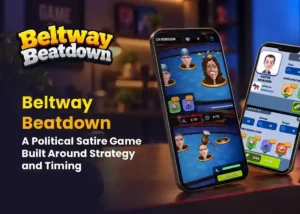
Requirement:
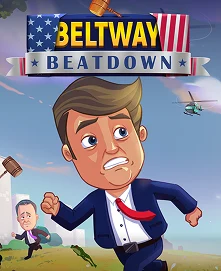
Beltway Beatdown is a 2D casual arcade game that puts a political-satire spin on the familiar whack-...
Our Solutions:
We kept the input simple and built variety around ...
22%
Growth38%
Increase in D30 RetentionBUILT FOR REAL PRODUCTION
Why Red Apple, At A Glance
Who we are as a game development company, who you'll work with, and who we're built for - in one minute.
Why teams choose us
- One team, one contract: Design to LiveOps under one roof. No vendor handoffs.
- KPIs agreed before code: Milestones and quality bars locked as deliverables.
- Playable slice before full budget: You approve a real build, not a slide deck.
- Your IP, always: Source, assets and docs contractually yours from day one.
Your named team
Named before contract · Never rotated without your approval · 70+ in-house specialists, zero subcontracting
Built for your stage
- First-time title builders: We bring the whole production machine.
- Scaling studios: Extra hands inside your pipeline, at your cadence.
- Active productions: Co-dev that owns workstreams, not overhead.
- IP holders: Your characters, made market-ready, with your approval gates.
After Launch
What Clients Say Once
The Game Is Live


CEO, AdApp Technologies ApS

Managing Director, Tagsom Edutainment

Digital Sales Manager, Frende Forsikring

Founder, Second Guess

CEO, X Studios Inc.

MD, Victor Health
Game Development Engagement Models
CHOOSE YOUR PRODUCTION MODE
Scan the matrix — thirty seconds, not three paragraphs. Every model can move to another as your production evolves.
| Parameters | Full-Cycle | Co-Development | Outstaffing |
|---|---|---|---|
| Who leads production | Red Apple - concept to launch & LiveOps | Shared - we own agreed workstreams | You - our specialists work under your direction |
| Your day-to-day involvement | Milestone reviews & creative oversight | Joint sprints, shared tools & repos | Direct daily management |
| We bring | Producer, design, art, engineering, QA, LiveOps | Capacity + specialists in your pipeline | Hire game developers, artists, TAs, backend & QA specialists |
| Best for | First Titles IP Holders | Studios in production | Scaling teams fast |
| Typical start | Discovery week → GDD | Pipeline audit → workstream handover | Profiles → interviews → onboarded in days |
| Start a Full-Cycle Build | Add Co-Dev Support | Hire Specialists |
Before You Press Start
Game Development FAQs
Game development costs vary considerably based on genre, platform, art requirements, gameplay systems, multiplayer or backend complexity, content volume, and the level of polish required.
Indicative development costs currently break down as follows:
- Hyper-casual prototype: $5,000-$25,000
- Simple 2D mobile game: $10,000-$50,000
- Casual or puzzle game: $25,000-$100,000
- Mid-core mobile game: $80,000-$300,000+
- 3D action game: $100,000-$700,000+
- Indie PC or console game: $100,000-$500,000+
- Multiplayer game: $150,000-$1 million+
- AA or AAA game: $1 million-$100 million+
These are indicative planning estimates, not fixed quotes. Region, team seniority, production model, IP requirements, third-party tools, infrastructure, platform approvals, and post-launch support can all affect the final budget.
For a detailed breakdown by game type, production phase, platform, engine, art scope, multiplayer requirements, and team model, see our guide to game development cost.
A playable prototype may take several weeks, while a production-ready game can require several months or considerably longer. The timeline depends on the platforms being targeted, gameplay systems, art and content requirements, multiplayer functionality, integrations, approval cycles, testing coverage, and release requirements.
Rather than assigning one timeline to the entire project, we divide production into defined stages such as discovery, playable validation, full production, stabilization, and release preparation. This makes progress easier to assess and gives the roadmap room to respond when testing or technical findings affect the original scope.
Start by looking beyond engine expertise, portfolio size, and team numbers. The more important question is whether the game development company can take responsibility for the work your production actually requires.
Review its experience with comparable platforms and technical systems, proposed team structure, production ownership, milestone process, QA approach, communication model, repository access, documentation practices, and IP terms.
The proposal should also make scope, assumptions, dependencies, exclusions, deliverables, approval points, and acceptance criteria clear before production begins. That gives you a stronger basis for comparing potential game development partners than capability lists alone.
The right engagement model depends on how much production ownership you want to retain internally.
Full-cycle game development is suited to projects where one external team needs to manage production from planning and prototyping through development, QA, launch, and ongoing support.
Game co-development works when your existing team remains involved but needs another production team to take responsibility for defined systems, disciplines, features, or workstreams.
A dedicated game development team is more appropriate when your production leadership, tools, and workflows are already established but you need additional developers, artists, QA specialists, or other expertise working within them.
If you plan to outsource game development, the decision should therefore be based on ownership, available internal capacity, production maturity, and how closely the external team needs to operate within your existing pipeline. You can also hire dedicated game developers when the requirement is primarily additional production capacity rather than end-to-end ownership.
Yes. We can begin with an assessment of the current production to understand what can be retained, what requires stabilization, and where technical or production risks could affect the next phase.
That review may cover the playable build, source code, project architecture, engine version, plugins, middleware, art assets, backend systems, repositories, documentation, build processes, existing defects, and technical debt.
The resulting roadmap can focus on completing unfinished systems, stabilizing the build, improving performance, adding new content, preparing for release, or restructuring agreed workstreams. If the next phase also involves moving the game to another platform or engine environment, game porting can be planned as part of that scope.
Post-launch support can be structured around what the released game actually needs. This may include defect resolution, performance investigation, regression testing, compatibility updates, backend maintenance, SDK or middleware upgrades, feature development, and new content.
Games with an ongoing content or service roadmap may also need Game LiveOps services covering events, content updates, economy balancing, telemetry review, release planning, and other recurring operational work.
Support can remain with Red Apple Technologies, be shared with your internal team, or transition through a documented handover when you are ready to manage the game independently.
Yes. A mutually agreed non-disclosure agreement can be put in place before confidential project information is shared.
Depending on the agreement, this may cover unpublished game concepts, gameplay systems, design documents, artwork, source-code information, technical architecture, business models, monetization plans, and release information.
The confidentiality terms should be agreed by both parties before protected materials are exchanged so that the scope of confidential information and the responsibilities around it are clear from the beginning.
Ownership and usage rights should be defined in the development agreement before production starts.
The agreement should distinguish between your pre-existing intellectual property, newly created source code and project files, custom artwork and animation, documentation, reusable development tools, licensed assets, middleware, open-source components, and third-party services governed by separate terms.
Repository access, credentials, source files, documentation, licensing obligations, and final handover responsibilities should also be documented so there is no ambiguity over what is owned, licensed, transferred, or retained.
Ready to Build Your
Next Game?
Get a reply within 24 hours
Tell us where the project stands today. We'll start there.


 Book An Appointment
 WhatsApp