


How Mobile Apps Have Enhanced Modern Education Industry?
(06.09.2026)
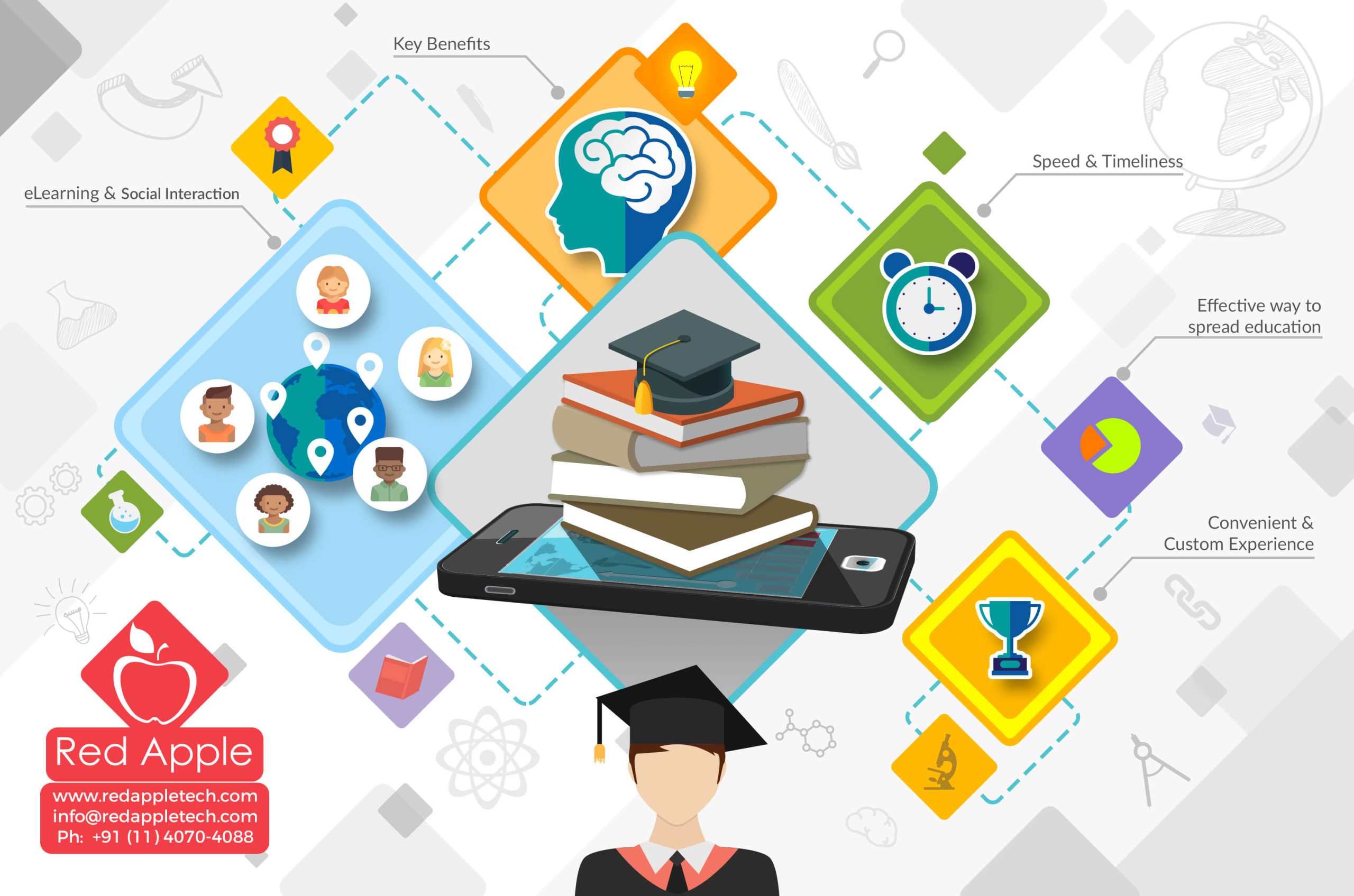
Students today expect the same level of convenience from learning platforms that they receive from streaming services, social media apps, and digital marketplaces. This shift in expectations is encouraging educational institutions to rethink how learning is delivered, accessed, and managed. Mobile applications have emerged as one of the most effective tools for meeting these demands, enabling flexible, interactive, and data-driven learning experiences.
From virtual classrooms and personalized study plans to real-time communication and performance tracking, educational apps are reshaping the way students learn and educators teach. As digital transformation continues to influence the education sector, institutions are increasingly investing in EdTech app solutions to improve accessibility, engagement, and learning outcomes. Many are also partnering with an experienced education app development company to build scalable digital learning platforms that meet the expectations of modern learners.
Whether serving schools, universities, coaching centers, or corporate training programs, mobile applications have become an essential part of modern education.
Why Mobile Apps Have Become Essential in Education
Traditional learning models often struggle to accommodate the diverse needs of modern learners. Students today seek greater flexibility, faster access to information, and learning experiences that fit seamlessly into their daily routines.
Mobile applications address these challenges by providing instant access to educational content, communication tools, assessments, and collaborative learning environments. Learners can engage with course materials, participate in discussions, complete assignments, and track progress from virtually anywhere.
For educational institutions, mobile apps create opportunities to enhance student engagement while streamlining communication and administrative processes.
Learning Anytime and Anywhere
Accessibility remains one of the most significant advantages of educational mobile applications.
Unlike conventional classroom-based learning, mobile platforms allow students to access educational resources whenever and wherever they need them. Recorded lectures, digital study materials, assignments, assessments, and discussion forums can all be available through a single application.
This flexibility supports self-paced learning and helps students balance education with personal, professional, or extracurricular commitments.
The growing demand for accessible digital education has accelerated investments in mobile learning app development, allowing institutions to deliver learning experiences that extend beyond the physical classroom.
Personalized Learning Experiences
Every learner has unique strengths, challenges, and learning preferences. Traditional teaching methods often struggle to provide individualized attention at scale.
Modern educational applications address this challenge through personalized learning experiences. By leveraging analytics and adaptive learning technologies, these platforms can recommend relevant content, adjust learning pathways, and identify areas where students may need additional support.
To support this shift toward student-centric education, many institutions are investing in eLearning app development services that incorporate adaptive learning models, intelligent content recommendations, and performance analytics. These capabilities help create more meaningful and effective learning journeys.
Personalized learning helps students progress at a pace that suits their abilities while improving engagement and knowledge retention. As educational institutions continue to prioritize student-centric learning models, personalized experiences are becoming a key differentiator in digital education.
Enhanced Student Engagement Through Interactive Learning
Student engagement plays a critical role in academic success. Educational apps are helping institutions create more engaging learning environments through interactive content and immersive experiences.
Features such as quizzes, gamification, progress tracking, achievement badges, multimedia lessons, and interactive assessments encourage active participation rather than passive consumption of information.
These interactive elements make learning more enjoyable while improving information retention and motivation.
As competition within the education sector grows, institutions are increasingly adopting innovative engagement strategies to keep learners connected and invested in their educational journeys.
Improved Communication and Collaboration
Effective communication is fundamental to successful educational outcomes.
Educational applications simplify communication between students, teachers, administrators, and parents through integrated messaging systems, discussion boards, notifications, and virtual collaboration tools.
Important announcements, assignment updates, examination schedules, and performance reports can be shared instantly, ensuring all stakeholders remain informed and engaged.
Collaborative learning features also encourage peer-to-peer interaction, group projects, and knowledge sharing, creating a more connected educational environment regardless of physical location.
Streamlining Administrative Operations
The impact of educational mobile applications extends far beyond learning experiences. They also play a significant role in improving administrative efficiency.
Educational institutions often manage large volumes of information related to attendance, admissions, fee collection, academic schedules, document sharing, faculty coordination, and student records. Mobile applications help centralize these processes within a single platform.
By reducing manual workloads and automating routine tasks, institutions can improve operational efficiency while allowing educators and administrators to focus more on delivering quality education and student support.
Beyond classroom learning, modern EdTech app solutions help educational organizations simplify administrative workflows while improving communication and operational visibility.
Data-Driven Learning and Performance Tracking
One of the most valuable advantages of educational applications is the ability to collect and analyze learning data in real time.
Institutions can track attendance, assignment completion rates, assessment performance, engagement levels, and learning progress through centralized dashboards. These insights help educators identify learning gaps, monitor student performance, and provide timely interventions when necessary.
Data-driven decision-making enables educational organizations to continuously improve curriculum effectiveness, teaching strategies, and overall learning outcomes.
Institutions that invest in custom educational technology platforms can leverage advanced analytics tools to gain deeper insights into learner engagement, academic progress, and curriculum effectiveness.
The Role of AI and Emerging Technologies in Education
The future of education is being shaped by technologies such as artificial intelligence (AI), machine learning, augmented reality (AR), and virtual reality (VR).
AI-powered educational platforms can analyze learning behavior, identify knowledge gaps, recommend personalized content, and provide instant support through intelligent tutoring systems. These capabilities help institutions deliver more adaptive learning experiences while improving student engagement and academic performance.
AR and VR technologies are also transforming how students interact with educational content. Through immersive simulations and virtual environments, learners can explore complex concepts in ways that traditional teaching methods often cannot replicate.
The rise of intelligent learning systems is also influencing the future of mobile learning app development, enabling educational platforms to deliver more personalized, responsive, and data-driven learning experiences at scale.
As these technologies continue to evolve, they will play an increasingly important role in creating engaging, accessible, and effective educational experiences.
Why Educational Institutions Are Investing in EdTech App Solutions
Educational institutions are increasingly viewing mobile applications as long-term strategic assets rather than supplementary learning tools. Beyond supporting students, these platforms help organizations expand program delivery, strengthen stakeholder engagement, improve operational efficiency, and generate valuable learning insights.
As hybrid and remote learning models continue to evolve, investment in digital education platforms is becoming a competitive necessity rather than an optional innovation initiative.
Organizations that embrace EdTech app solutions are better positioned to adapt to changing educational demands while creating more scalable and sustainable learning environments.
Choosing the Right Education App Development Partner
Developing a successful educational application requires expertise in user experience design, cloud infrastructure, learning management systems, security, analytics, and scalable architecture.
Partnering with an experienced education app development company helps institutions create solutions that align with educational objectives while delivering intuitive user experiences.
Professional eLearning app development services support the entire development lifecycle, from planning and design to deployment, maintenance, and future enhancements.
Many organizations also choose to hire dedicated education app developers who can provide specialized expertise, accelerate development timelines, and support long-term platform evolution as learning requirements continue to change.
How Red Apple Technologies Supports Educational Innovation
At Red Apple Technologies, we develop custom educational platforms that combine engaging user experiences with scalable technology infrastructure. Our solutions are designed to help educational organizations improve accessibility, learner engagement, operational efficiency, and long-term growth.
From virtual classrooms and assessment modules to gamified learning environments and mobile-first education ecosystems, we deliver tailored digital solutions that align with the evolving needs of modern learners and institutions.
Leveraging our expertise in mobile learning app development, we help educational organizations create future-ready platforms that support impactful and measurable learning experiences.
Conclusion
Mobile applications have moved beyond convenience features to become foundational components of modern education ecosystems. They enable institutions to deliver personalized learning experiences, streamline operations, strengthen engagement, and respond more effectively to changing learner expectations.
The integration of technologies such as AI, analytics, AR, and VR is further expanding the possibilities of digital learning, enabling more adaptive and immersive educational experiences than ever before.
As educational technology continues to evolve, organizations that invest in innovative digital learning platforms will be better positioned to expand access, improve outcomes, and create sustainable value for students, educators, and stakeholders alike.
To Have A Better Understanding On This Let us Answer The Following Questions
Answer: Mobile apps are transforming education by making learning more accessible, interactive, and personalized. They allow students to access educational resources anytime, collaborate with peers, track progress, and engage with content through multimedia and gamified experiences.
Answer: Mobile learning apps offer flexibility, self-paced learning, personalized content recommendations, real-time feedback, and continuous access to study materials. They also help improve engagement and knowledge retention through interactive learning experiences.
Answer: Educational institutions are investing in EdTech app solutions to improve student engagement, expand learning accessibility, streamline administrative processes, and support hybrid or remote learning models. These platforms also provide valuable insights through analytics and performance tracking.
Answer: A modern educational app should include features such as user-friendly navigation, virtual classrooms, course management, assessments, progress tracking, notifications, discussion forums, analytics dashboards, and secure user authentication. AI-powered personalization and gamification features can further enhance the learning experience.
Answer: AI helps educational apps deliver personalized learning experiences by analyzing student behavior, identifying learning gaps, recommending relevant content, and providing intelligent tutoring support. These capabilities improve engagement, learning efficiency, and academic outcomes.
Answer: Mobile learning app development involves designing and building applications that deliver educational content and learning experiences through smartphones and tablets. These apps can support schools, universities, training organizations, and corporate learning programs.
Answer: An experienced education app development company can help institutions create scalable, secure, and engaging learning platforms tailored to their educational objectives. They provide expertise in user experience design, learning management systems, analytics, cloud infrastructure, and long-term support.
Answer: eLearning app development services cover the design, development, deployment, and maintenance of digital learning platforms. These services help educational organizations create customized solutions for online learning, assessments, collaboration, and performance monitoring.
Answer: Organizations with long-term educational technology initiatives often choose to hire dedicated education app developers to ensure continuous platform enhancement, faster feature development, ongoing maintenance, and scalability as user requirements evolve.
Answer: The future of educational mobile apps will be driven by artificial intelligence, machine learning, augmented reality, virtual reality, and advanced analytics. These technologies will enable more immersive, personalized, and data-driven learning experiences for students worldwide.
Get Started
- End-to-End Game & App Development Services
- Flexible Business Models – Project Based or Dedicated Hiring
- 13+ Years of Industry Experience with Global Clientele
- Globally Recognized by Clutch, GoodFirms & DesignRush
Related Blogs
Discover more stories & insights that inspire

Board games are also one of the top genres in mobile gaming. This is evident with the robust global market size of $2.19 billion, which in 2035, shall reach the...

Whether enhancing brand visibility, attracting potential customers, or exploring new opportunities, mobile apps are providing establishments with numerous benefits. Right now, there are over 8.93 million mobile applications across the...

The e-learning industry is serving users with a cost-effective, flexible, and accessible option to acquire quality education. Now with the introduction of gamification, the standard of online education is massively...
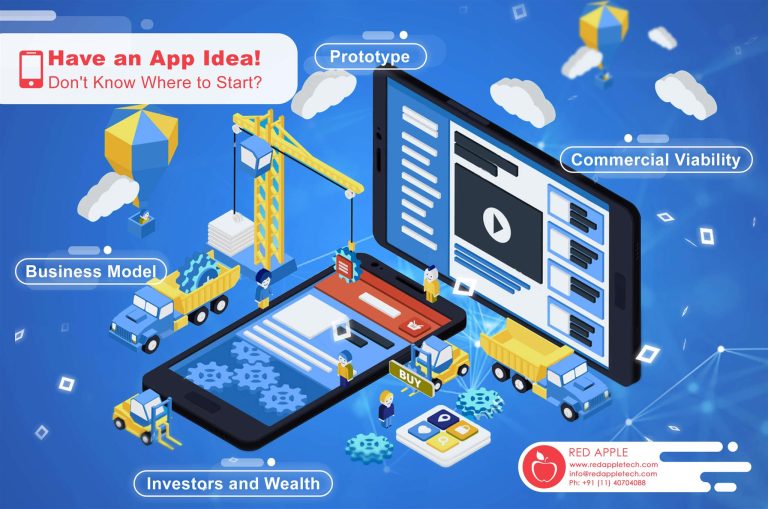
Have an app idea, what next? Every business or individual looking forward to having a dedicated mobile app has some idea, but the big question is how to get app...

Is your restaurant business witnessing a slump lately? If it really is, then you must be wondering as to why your business isn’t growing. And if you are really looking for an...
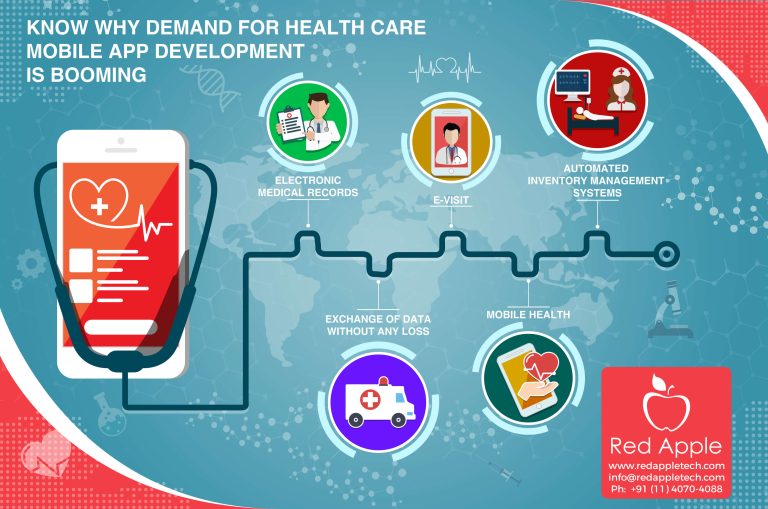
Mobile phones have the ability to transmit any type of information at any point of time, virtually from anywhere. Therefore, they are increasingly being used in the world of medicine....
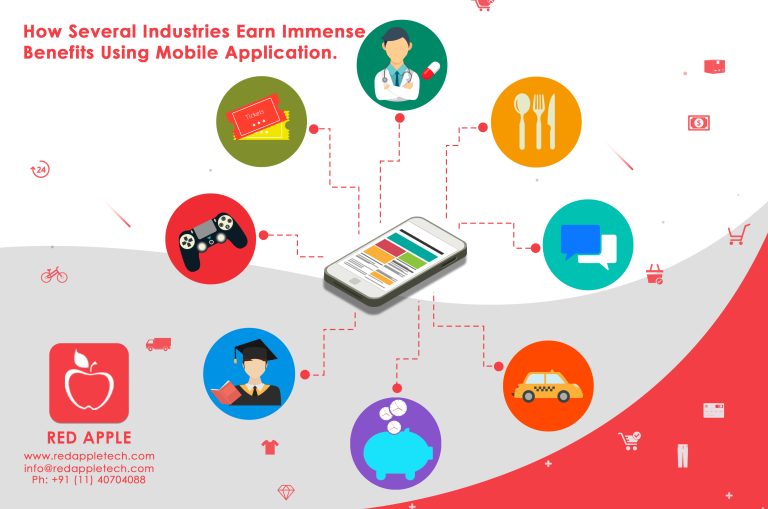
Nowadays, almost every business sphere needs to settle down after struggling and competing against their opponents. With the technological advancement, different business functional areas have become easy to obtain. Along...

Recently, Apple revealed its iOS 11 Developer Preview at its WWDC in San Jose, California. And in comparison, the second preview version of Android O 8.0 also had been showcased...
Owners of small businesses often believe that mobile-business applications are meant for usage by large companies which are engaged in specific industries only. They are often of the opinion that...

The current scenario of mobile apps makes it necessary for every android app development company to stringently address issues that ensure the life of an app on a user’s phone....


 Book An Appointment
 WhatsApp