

CUSTOM SOFTWARE DEVELOPMENT SERVICES BUILT TO SCALE

Clutch Rating

Certified
Years Experience
Countries Served






NEW SOFTWARE AND MODERNIZATION
BUILD NEW SOFTWARE OR
MODERNIZE WHAT EXISTS
A new product and an established system rarely need the same delivery plan. We decide what needs to work first, what can wait, and where technical constraints could affect the build.
From Idea To
Market-ready Software
Move from an early concept to a focused first release without trying to build everything at once. We help you identify the core product experience, test the direction, and make the technical decisions that matter beyond launch.
- MVP scope: Focus the first release on the features that prove the product.
- Fixed-cost option: Agree on defined deliverables, milestones, and budget.
- Architecture: Avoid early decisions that make future changes unnecessarily expensive.
- Ownership: Retain the source code and project IP under the agreed commercial terms.
Modernize And Extend
Without Disruption
An aging or legacy system does not automatically need to be replaced. We first find out what is slowing development, creating operational risk, or making everyday changes harder than they should be.
- System assessment: Identify fragile components, outdated dependencies, and technical debt.
- Phased modernization: Improve priority areas while keeping essential operations running.
- Connected systems: Address data movement between existing applications and external platforms.
- Additional engineering: Bring in specialists where your current team needs support.
SOFTWARE DEVELOPMENT SERVICES
ENGINEERING CAPABILITIES
ACROSS THE SOFTWARE LIFECYCLE
Our custom software development services cover new products, existing applications, infrastructure, quality engineering, and ongoing improvement. Start with the capability you need now, then expand the engagement as the software evolves.
Application Development
Our application development services turn product requirements and day-to-day business processes into dependable web, mobile, and enterprise applications.
- Web and mobile applications
- Enterprise software development and internal tools
- MVP and proof-of-concept development
- Backend systems and APIs

AI & Emerging Technology
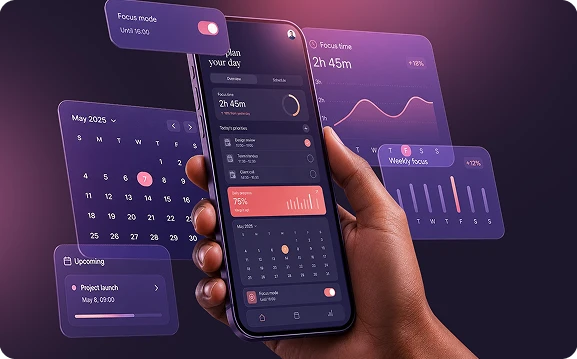
AI is most useful when it solves a defined product or operational problem. We build capabilities that can automate repetitive work, interpret information, assist decisions, or create new ways for people to use your software.
- Generative AI and LLM integration
- Machine learning systems
- AI-enabled business applications
- Intelligent automation
Cloud & DevOps
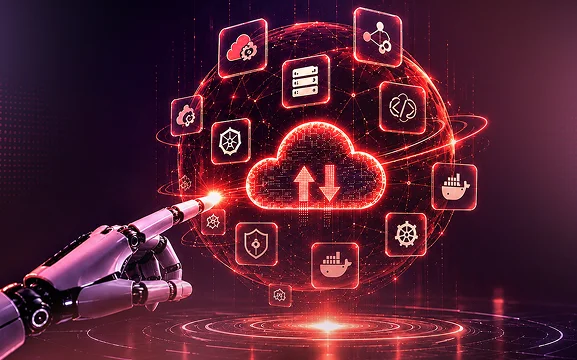
Our cloud and DevOps services help you release software more reliably and operate it without infrastructure becoming a constant source of friction.
- Cloud architecture and migration
- CI/CD and release automation
- Containers and orchestration
- Monitoring and infrastructure automation
SOFTWARE TESTING & QA
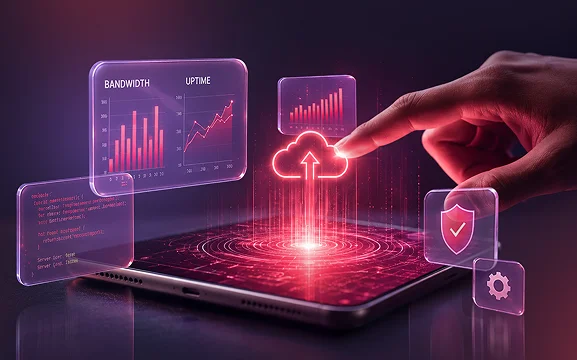
Quality issues are easier to fix before they reach production. Our software testing services examine how the application behaves across real user journeys, devices, environments, and expected operating conditions.
- Functional and regression testing
- Performance and load testing
- Security testing
- Compatibility and usability testing

CUSTOM SOFTWARE SOLUTIONS
SOFTWARE DEVELOPMENT SOLUTIONS
BUILT AROUND YOUR BUSINESS
Different teams rarely use software in exactly the same way. We shape our software development solutions around the decisions people make, the information they need, and the systems already supporting the business.

ERP Solutions
Bring finance, procurement, inventory, operations, workforce data, and reporting into an ERP environment designed around the way your organization actually runs.
- Modules aligned with department-specific processes
- Role-based access and approval paths
- Operational and financial dashboards
- Connections with internal and third-party systems
- Shared information across teams and locations
- Reporting aligned with management needs
Our ERP software development services help replace duplicate records and disconnected processes with a more consistent operational view. Departments can keep the processes that matter to them without losing visibility across the wider business.

CRM Solutions
Give sales, marketing, and service teams a shared view of the customer without forcing them into a generic CRM setup.
Our CRM software development services can support custom sales stages, service processes, reporting, automation, permissions, and connections with the tools your teams already use.

AI Solutions
Put AI inside the software people already depend on. It can help classify incoming information, surface recommendations, generate content, predict outcomes, or reduce repetitive manual work.
We connect the model to the right business context so the capability does real work inside the product instead of sitting off to the side as a standalone experiment.

SAAS Products
Build a SaaS product that can grow without forcing you to rethink the platform each time the business model changes.
- Account and permission management
- Subscription and billing capabilities
- Product administration and analytics
- Architecture prepared for continued expansion
Our SaaS development services can cover product architecture, application engineering, cloud deployment, testing, and continued releases.

Enterprise Integration
When information is trapped between ERP, CRM, legacy applications, cloud platforms, and external tools, teams end up filling the gaps manually.
Our enterprise integration services help those systems exchange information more reliably through APIs, middleware, events, and other appropriate integration patterns.

Business Process Automation
Automate approvals, hand-offs, data entry, document processing, and status updates through connected business processes. Our business process automation solutions reduce repetitive work, make delays easier to spot, and help teams see at a glance what still needs attention.
HOW WE DELIVER
A CLEAR CUSTOM SOFTWARE
DEVELOPMENT PROCESS
The process gives you something concrete to review at every stage. Decisions are made before they become expensive to reverse, and working software gets reviewed throughout development, not just at the end.
01
Discovery & Planning
Establish who the software is for, what it needs to solve first, and what could complicate delivery.
03
UX & Prototyping
Turn requirements into user journeys and interactive flows so important assumptions can be tested before full development.
05
Testing & Validation
Test the software under realistic conditions: expected usage, connected systems, access controls, and the journeys people rely on most.
07
Support & Optimization
Keep an eye on how the software performs after launch, address issues as they appear, and plan improvements based on real use.
02
Solution Architecture
Decide how the application should be structured, where information will live, and how it will connect with the surrounding technology.
04
Agile Development
Build the product in reviewable increments, with frontend, backend, and connected services coming together as the release takes shape.
06
Deployment & Handover
Prepare the production environment, move required data, release the software, and hand over the documentation needed to operate it.
01
Discovery & Planning
Establish who the software is for, what it needs to solve first, and what could complicate delivery.
02
Solution Architecture
Decide how the application should be structured, where information will live, and how it will connect with the surrounding technology.
03
UX & Prototyping
Turn requirements into user journeys and interactive flows so important assumptions can be tested before full development.
04
Agile Development
Build the product in reviewable increments, with frontend, backend, and connected services coming together as the release takes shape.
05
Testing & Validation
Test the software under realistic conditions: expected usage, connected systems, access controls, and the journeys people rely on most.
06
Deployment & Handover
Prepare the production environment, move required data, release the software, and hand over the documentation needed to operate it.
07
Support & Optimization
Keep an eye on how the software performs after launch, address issues as they appear, and plan improvements based on real use.
SELECTED SOFTWARE PROJECTS
SOFTWARE PRODUCTS
AND PLATFORMS WE HAVE BUILT
Explore selected work across SaaS products, enterprise software, AI applications, cloud modernization, and business platforms.

All-in-One Event Planning Platform Drives 85% Operational Efficiency for Modern Event Organizers
Twiito
Twiito is a dynamic event management platform built to streamline how individuals and organizations plan, promote, and execute events—from small private gatherings to large-scale public functions. The platform enables users to create events, sell tickets, send digital invitations, and track engagement metrics in real-time.
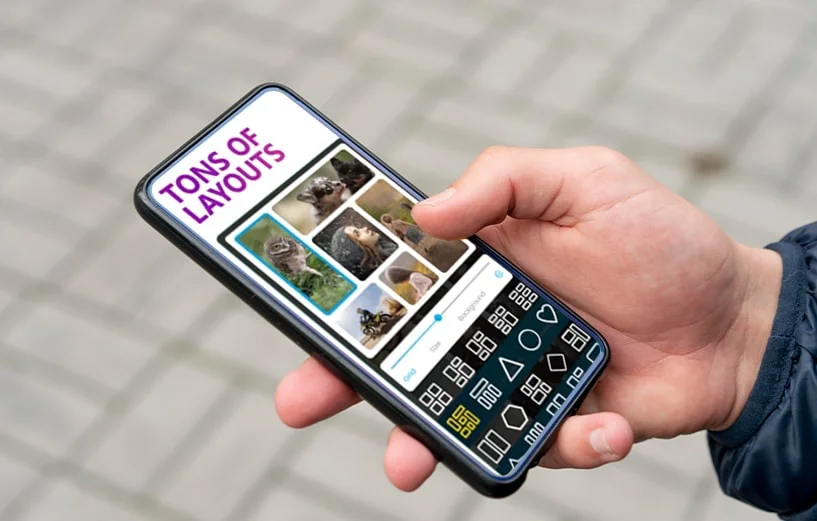
Feature-Rich Photo Editing App Reaches 500K+ Downloads with a 4.8 Rating for Mobile Creators
Mix Pics
Mix Pics is an intuitive photo editing and collage-making mobile app tailored for both casual users and creative enthusiasts. With a powerful toolkit and user-friendly interface, it allows users to craft stunning visual content—from photo edits and patterns to artistic collages—directly from their smartphones.
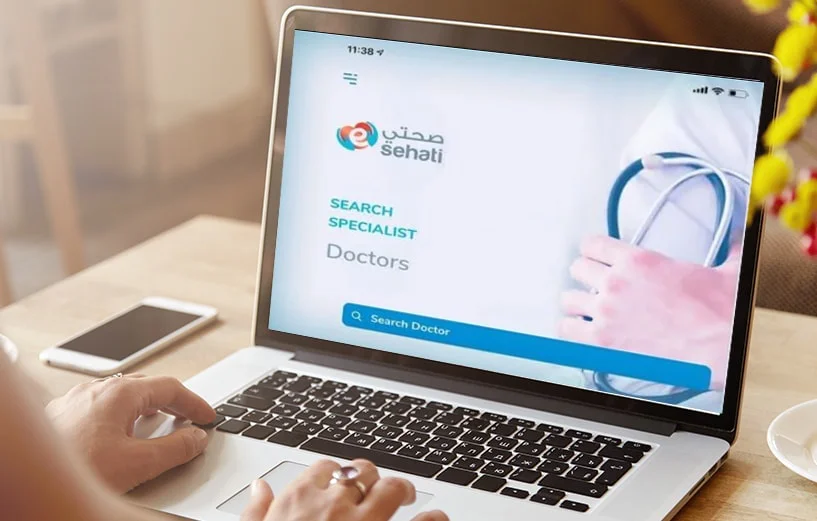
24/7 Telemedicine Platform Delivers 50K+ Consultations with 90% Satisfaction for Remote Patients
eSehati
eSehati is a user-centric mobile healthcare application that brings professional medical consultation and support directly to users—whether they’re at home or traveling. Designed to provide fast, affordable, and convenient access to certified medical professionals, eSehati allows users to chat

Indoor Maps and Smart Deals Drive 100K+ Downloads for a Leading Retail Lifestyle Destination
Mall of Emirates
The Mall of the Emirates (MOE) app is your personal digital guide to one of the most iconic shopping and lifestyle destinations in Dubai. Featuring over 630+ global brands, the app empowers users with instant access to store locations, promotions, and entertainment options across the vast mall premises.
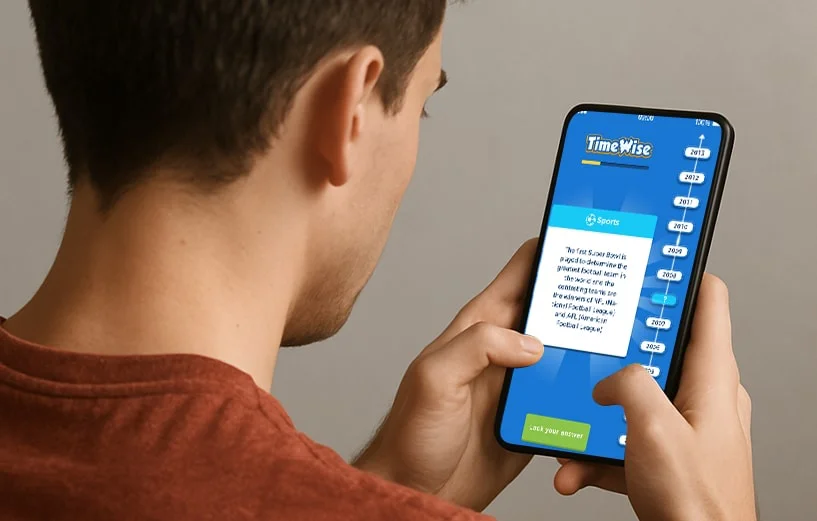
Tournament-Style History Quizzes Lift DAU by 80% for a Gamified Learning Platform
TimeWise
TimeWise is an innovative quiz app that transforms history into an exciting and interactive challenge. It tests players’ knowledge by asking them to place historical events before, after, or between specific time spans. The app mixes education and entertainment with a competitive edge
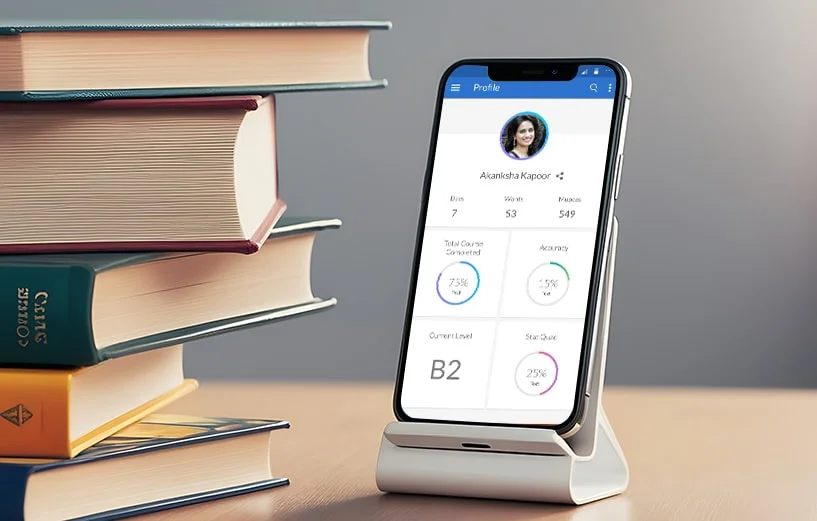
Gamified Vocabulary Learning Improves Retention by 75% for a Competitive Exam-Prep EdTech Platform
Memorytrix
Memorytrix is a gamified vocabulary builder designed to enhance users' English language proficiency, communication skills, and cognitive performance. It combines scientifically-backed learning techniques with engaging activities to help users boost memory, speed, focus, and attention.

Rewards-Led Food Delivery and Table Booking Increases Orders by 70% for a Multi-City Dining Platform
FastOrder
FastOrder is a modern mobile application that transforms how users explore, order, and reserve at restaurants. Designed with user-friendliness and elegance in mind, the app provides a seamless way to browse local dining spots, place food orders, and make quick reservations—all within seconds.
WHY RED APPLE TECHNOLOGIES
Why Choose Red Apple Technologies
For Custom Software Development
Choosing a custom software development company or long-term software development partner is not only about finding people who can write the code. You also need to know whether the product can handle change, whether technical decisions are being made for the long term, and what happens once the first release is live.
Scalability
GROW WITHOUT REBUILDING EVERYTHING
Plan the system so higher usage, new features, and additional business requirements do not automatically trigger major structural rework.
Security
BUILD PROTECTION INTO THE PRODUCT
Authentication, permissions, sensitive data, and external connections are considered during development, not saved for a final pre-launch check.
Maintainability
MAKE FUTURE CHANGES
LESS RISKY
Modular code, useful documentation, and consistent testing make it easier for engineering teams to extend the product without breaking unrelated areas.

Performance
KEEP CRITICAL
TASKS RESPONSIVE
Look beyond page speed. Database queries, APIs, background jobs, and infrastructure all affect whether the software still feels responsive as demand increases.
Cloud Readiness
MAKE RELEASES
EASIER TO OPERATE
Prepare the application for repeatable deployment, monitoring, recovery, and changes in capacity as usage develops.
AI Integration
GIVE AI A
CLEAR ROLE
Connect AI to the right data and product context so it supports a real task, decision, or user need rather than becoming an isolated feature bolted onto the side.
CLIENT TESTIMONIALS
What Clients Say
About Our Software Work


CEO, Ralba Technologies LLC

CEO

Founder, Mix Pics

Founder, Esehati

Founder, Score Is Right

CEO, TimeWise

Managing Director
HAVE SOFTWARE
YOU NEED TO BUILD OR IMPROVE?
Tell us where you are now, whether that is an early idea, a product already in use, or a system that is getting harder to maintain. We can help you work out what deserves attention first.
SHARE YOUR REQUIREMENTSENGAGEMENT MODELS
Choose The Right Model For
Your Software Project
Some projects need a defined scope and price. Others need an engineering team that can move with a changing roadmap. Choose the model based on how settled the requirements are and how much delivery ownership you want to keep internally.
Fixed-Cost Project
Delivery: We take responsibility for the agreed scope and release.
Your role: Review progress, approve key decisions, and manage agreed changes.
Team: A cross-functional team assembled for the project.
Best fit: Software with well-defined requirements and acceptance criteria.
Starting point: Discovery and scope
confirmation.
Managed Development Pod
Delivery: We manage an agreed product or engineering workstream.
Your role: Set priorities and stay involved in product decisions.
Team: A managed engineering pod that can evolve with the roadmap.
Best fit: Products where priorities are expected to change over time.
Starting point: Backlog review and
team setup.
Dedicated Team/Outstaffing
Delivery: Your team manages the specialists directly.
Your role: Own day-to-day planning, priorities, and delivery decisions.
Team: Selected developers, QA engineers, designers, or other specialists.
Best fit: Additional capacity or expertise inside an existing engineering setup.
Starting point: Candidate selection, interviews, and onboarding.
FAQs ABOUT CUSTOM SOFTWARE
DEVELOPMENT SERVICES
As a broad market benchmark, custom software development can range from $20,000 for a focused first release to $1 million or more for a large enterprise platform.
Indicative ranges include:
- Focused MVP or internal tool: $20,000-$80,000
- Mid-complexity web, mobile, or SaaS product: $80,000-$250,000
- Integration-heavy business or enterprise system: $150,000-$400,000+
- Large-scale enterprise, AI, or data platform: $400,000-$1 million+, with some programs running into several million dollars
The final budget depends on what has to be built, how much existing technology the software must work with, the amount of data and business logic involved, security or compliance requirements, and the delivery model.
These are market estimates rather than fixed Red Apple Technologies pricing. The actual project range is confirmed after reviewing the scope and technical requirements.
The timeline depends on what must be ready for the first release and what can be delivered later.
During discovery, we identify anything that could slow delivery, decide which capabilities belong in the first release, and agree on a realistic development plan with you. More complex products may be released in phases rather than held back until every planned feature is complete.
Look beyond hourly rates and technology logos. A capable software development partner should be able to explain how it approaches the business problem, not just how it plans to code the requested features.
When comparing providers, consider:
- Relevant product and technical experience
- How discovery and estimation are handled
- Architecture and integration capability
- QA and security practices
- Project ownership and communication
- How scope changes are managed
- Source-code and intellectual-property terms
- Support after launch
The strongest fit is usually the company that asks useful questions before committing to an answer.
A complete rewrite is often unnecessary.
We first examine where the current system is creating risk or slowing development. Some parts may only need refactoring or dependency upgrades, while others may be better replaced. This makes it possible to modernize the software in stages and avoid disrupting everything at once.
In many projects, the systems you already use can remain part of the wider architecture.
We look at how information currently moves between them, what interfaces are available, and where manual transfers or duplicate records are causing problems. The right approach may involve APIs, webhooks, middleware, event-based communication, scheduled synchronization, or a custom connector.
We can take responsibility for a defined software project, manage an ongoing engineering workstream, or add specialists to an existing team.
The right setup depends on how much delivery ownership you want to retain. Some organizations outsource the complete build, while others need additional developers, QA engineers, designers, or technical specialists working alongside their internal team.
Where you want day-to-day control of individual specialists, a dedicated team or outstaffing arrangement is usually a better fit than full project outsourcing.
Where the engagement calls for it, we can structure delivery around the way your organization works with its own customers or internal teams.
This may include operating as an extended engineering team, supporting another agency or technology partner, or providing white-label software development services where appropriate. Confidentiality, communication responsibilities, customer-facing involvement, IP ownership, and handover requirements are agreed before work begins.
Software requirements often become clearer once people can review working features. A change does not automatically mean restarting the project.
We first determine whether it affects the current release, architecture, dependencies, budget, or delivery date. Smaller changes may fit into the existing backlog, while larger changes may need to be reprioritized, estimated separately, or moved into a later release.
The impact is made clear before additional work begins so scope does not expand unnoticed.
Our developers can join an existing product or engineering setup rather than requiring you to replace the way your team already works.
Before onboarding, we review the technologies in use, development environment, repositories, release practices, coding conventions, and ownership boundaries.
Responsibilities can then be divided between your internal team and ours without duplicating work.
For distributed projects, communication needs to be planned around the people making decisions rather than left to informal availability.
At the beginning of the engagement, we agree on points of contact, review cadence, decision-making responsibilities, and the overlap needed between teams. Progress, blockers, and key decisions remain visible even when everyone is not working in the same time zone.
Ownership terms should be settled before development begins.
Where the agreement gives you full ownership of the custom source code and project IP, we transfer those rights according to the agreed terms. Third-party libraries, frameworks, commercial tools, and licensed assets remain subject to their own licenses.
We recommend settling ownership in writing before development starts rather than leaving it for handover.
We can sign your NDA or provide ours before you share confidential product, technical, or business information.
You do not need to disclose sensitive architecture, proprietary processes, customer data, or other protected details in the initial inquiry. Those conversations can begin after the NDA is in place.
Security and regulatory requirements should be identified before architecture and implementation decisions are locked in.
If your software has specific requirements around access control, auditability, data location, retention, encryption, consent, or regulated information, we can incorporate them into the project scope and technical design.
Where formal certification, third-party auditing, or compliance with a named regulatory framework is required, those requirements are confirmed specifically for the project.
Our software maintenance and support services can continue after the first production release.
Depending on what the product needs, that may include bug fixes, security updates, performance work, dependency upgrades, infrastructure changes, integration maintenance, testing, and continued feature development.
We can support the software through planned maintenance, regular release cycles, or an ongoing engineering team.
We can start by reviewing the software you already have. Taking over an existing codebase does not mean starting the project over.
That review looks at how the code is structured, how releases are handled, what documentation exists, and where the known problems are. From there, we can determine whether continuing development, refactoring selected areas, modernizing specific components, or rebuilding part of the system makes the most sense.
READY TO START YOUR
SOFTWARE PROJECT?
Get a reply within 24 hours
Tell us where the project stands today. We'll start there.


 Book An Appointment
 WhatsApp