


How Outsourcing Powers Your Dedicated Team and Attracts Investors
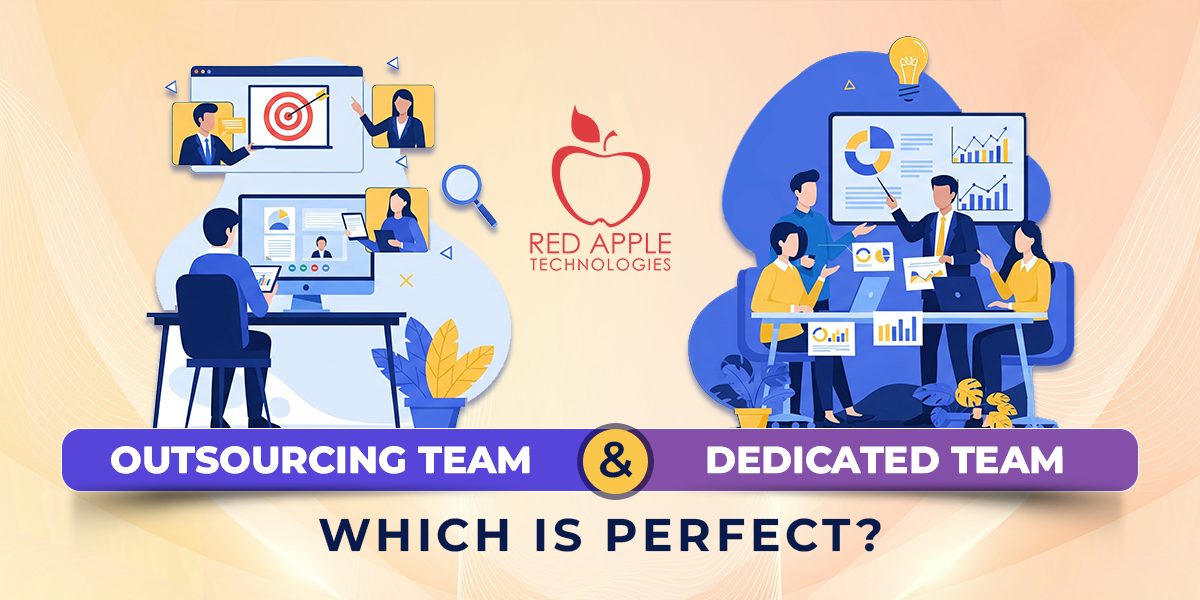
Startups and growing companies face dual pressures: building high-quality software teams and convincing investors they’re a sound bet. Leveraging outsourcing to hire dedicated developers via the Dedicated Team Model gives you both speed and credibility without the payroll overhead.
1. What Is the Dedicated Team Model?
This model is an outsourcing engagement where a team works exclusively on your project over the long term. Unlike fixed-price or short-term contracts, it gives you a stable, integrated team that behaves like an in-house unit, but managed and hosted externally. This model offers a level of control, transparency, and consistency that helps when pitching to investors who demand predictable execution.
2. Cost-Effective IT Outsourcing & ROI Benefits
Cost control is the first concern for founders and a force majeure in early-stage fundability. Cost-effective IT outsourcing, especially when you hire dedicated developers from markets like India, Eastern Europe, or Southeast Asia, delivers significant savings; 30–50% lower labor costs compared to hiring locally.
You also avoid infrastructure expenses (office space, training), which are bundled into the outsource provider’s fee, and you pay only for active services, turning fixed costs into flexible expenses. These savings can be reinvested in growth, marketing, or innovation, and they show investors a lean burn rate and efficient capital allocation.
3. Access to Top Global Talent: Hire Dedicated Developers Right
A key advantage of outsourcing is access to a global talent pool. You can easily hire dedicated developers skilled in specific tech stacks, such as AI/ML, React, Node.js, DevOps, and niche tools that might be scarce locally.
With an outsourcing partner, experts assemble a team tailored to your needs, and because they manage recruitment, retention, and management, you gain instant synergy without the long hiring cycle.
4. Scalability, Flexibility, and Speed
Time-to-market matters. Outsourced dedicated teams allow rapid ramp-up or down. Need more engineers? You scale quickly. Need to pivot direction? You reconfigure the team. You don’t need to hire or fire locally, and you manage volatility with agility.
Since your team works offshore, overlapping time zones can deliver near round-the-clock progress, greatly accelerating your development and product launch. That’s why many startups outsource a development team, seeing product builds completed much faster than by recruiting full-time staff.
5. Innovating Faster While Staying Lean
Outsourcing collaborates with specialized developers who often bring fresh industry practices, tools, and methodologies. This promotes innovation and keeps your codebase competitive. A focused team committed to one project has the bandwidth to improve and iterate, whether QA, performance tuning, or product enhancements.
Such technical depth also builds confidence in investors: they see strong architecture, agile execution, and a team capable of evolving alongside business growth.
6. How Outsourcing Strengthens Your Funding Case
a) Demonstrable Cost Discipline
Investors love efficient capital use. By outsourcing, you minimize fixed payroll and infrastructure costs, making your burn predictable. A lower run rate increases runway and gives investors confidence that you’re managing funds responsibly.
b) Predictable Delivery via Engagement Model
The dedicated team model means regular milestones, agile sprints, and accountability through SLAs. Investors interpret this as project discipline, reducing execution risk, and increasing trust in delivery estimates.
c) Technical Credibility
When you hire dedicated developers, you’re signaling that you have real technical horsepower, even if your core team is lean. Investors often evaluate technical strength by code quality, onboarding speed, and depth of skill. An experienced outsourced team that has built robust systems gives you credibility.
d) Risk Mitigation
Outsourcing providers handle hiring, backup staffing, and project continuity. If a developer leaves, they can replace them without disrupting your timeline. That continuity reduces risk, and investors count on stability.
e) Focus on Core Business Strategy
With technical delivery offloaded, your founders can focus on go-to-market, acquisitions, partnerships, and revenue. A clear focus and fewer distractions suggests leadership maturity, another signal investors value.
7. Case Examples & Startups That Won Funding via Outsourcing
Several high-growth startups leveraged outsourcing to attract funding. For instance:
- Deel, an HR/payroll platform, scaled automation and AI features with the help of experts all over the world, raising over $150M by providing fast product iteration and strong tech execution.
- Andela and Gigster both scaled global platforms via outsourced engineering talent and attracted hundreds of millions in funding.
Though not all raise capital immediately, the pattern is consistent: technical reliability, quick iteration, and efficient cost models help unlock investor interest.
8. Step-by-Step: How to Engage an Outsourced Dedicated Team
- Define Scope & Longevity: Are you looking to build an MVP, handle ongoing feature growth, or launch multiple products? The longer and more evolving the project, the more the dedicated model makes sense.
- Identify Talent Needs: List tech roles, stacks, and domain expertise required.
- Choose a Trusted Outsourcing Partner: Look for firms with proven retention, project delivery, and communication. They should offer transparency, SLAs, and integration with your tools.
- Hire Dedicated Developers: Form a team with clear roles: developer, architect, QA, possibly project manager.
- Establish Agile Workflow: Set up regular sprint cycles, code reviews, stand-ups, and progress dashboards.
- Track Metrics: Monitor burn rate, velocity, bug rates, quality, and delivery dates.
- Report to Investors: Showcase how this setup drives lean execution, strong tech long-term, and scale without ballooning costs.
Common Challenges & How to Address Them
- Communication gaps: Establish solid cadence via video calls, chat tools, project management systems.
- Time zone delays: Use overlap hours or flexible schedules to synchronize critical communication.
- Security concerns: Use NDAs, access controls, and code audits.
- Cultural integration: Encourage cross-team socials, shared documentation practices, and onboarding processes.
These concerns can be mitigated with strong governance and aligned expectations.
Final Thoughts
Using outsourcing to hire dedicated developers, and adopting the dedicated team model, offers a triple benefit for startup founders:
- Lean, cost-effective IT outsourcing that conserves cash
- Access to top-tier global talent with rapid scalability
- A stronger, more credible funding narrative for investors
By structuring your team outsourcing strategically, you not only deliver products faster, but also build investor confidence in your technical execution. If you’re planning your next funding round, embracing outsourcing may be the lever that powers both product and pitch.
To Have A Better Understanding On This Let us Answer The Following Questions
How many developers should be in a dedicated team?
Answer: A typical core team might include 3–7 people—e.g. backend, frontend, QA, and possibly a PM. Based on project scope, you can add specialists—but avoid bloating too early.
Is building an in-house team more credible to investors than outsourcing?
Answer: Not necessarily. Investors care about execution quality and speed. If your outsourced team delivers robust results, backed by code reviews and metrics, that’s often more credible than an unproven—but internal—team.
How do I maintain ownership of IP and code?
Answer: Ensure your outsourcing contract includes IP assignment clauses, escrow provisions for code repositories, and clearly defined deliverables to retain control.
When is the right time to switch from outsourced to hybrid or fully in-house?
Answer: This depends on the scale and cost tipping point. Once you hit a stage where you need tighter integration or faster iterations, you might onboard core engineers internally, while keeping specialized outsourced roles for flexibility.
Can outsourcing affect company culture negatively?
Answer: If not managed well, yes. To counteract that, embed remote team members into your rituals, share your product vision, and encourage shared documentation and communication norms so they feel part of the mission.
Get Started
- End-to-End Game & App Development Services
- Flexible Business Models – Project Based or Dedicated Hiring
- 13+ Years of Industry Experience with Global Clientele
- Globally Recognized by Clutch, GoodFirms & DesignRush
Related Blogs
Discover more stories & insights that inspire

With the rising competition in the gaming industry, delivering top-notch gaming experiences is becoming a vital step to retain and engage maximum players. Presently, there are over 3.58 billion gamers...

Canada has emerged as one of the most dependable regions to engage a game development company, not because it offers the lowest rates, but because it consistently delivers quality, structure,...

Hiring a game development company is rarely just about building a game. For startups, it determines whether an idea reaches the market before resources run out. For enterprises, it determines...
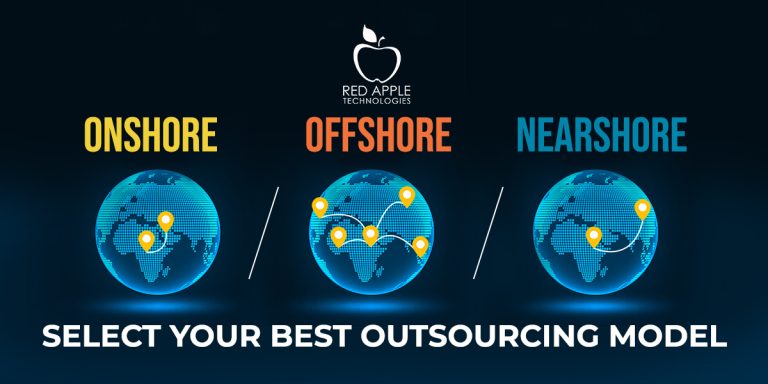
Whether developing a game or an app, businesses are outsourcing their projects at a rapid scale. What prompts them to outsource their projects is the lack of local talent, the...

With the rising volume and complexities of IT projects, organizations have realized that in-house team expansion is not enough to get a quality outcome on time. For that, they also...

HTML5 has redefined browser gaming with auto-updates, offline mode, and several other useful features. This has influenced enterprises to invest in this game segment with the help of top-rated game...

What motivates enterprises to invest in game development is the scope to engage a huge and diverse gaming audience segment with new concepts. At present, the global population of active...

From overcoming shortages of skilled and experienced professionals to minimizing miscellaneous expenses, dedicated hiring is evolving as a cost-efficient alternative for enterprises of all sizes. This is assisting them in...

With the growing infrastructural costs, businesses around the world are hiring remote professionals to ensure the proper execution of their projects. It is forecasted that in 2025, 36.2 million workers...

According to the latest ManpowerGroup Talent Shortage report, 75 percent of business establishments across the world are already experiencing a crunch of experienced and talented professionals. Besides, the US Bureau...


 Book An Appointment
 WhatsApp