

CUSTOM SOFTWARE
DEVELOPMENT SERVICES
BUILT TO SCALE
Clutch Rating

Certified
Years Experience
Countries Served






NEW SOFTWARE AND MODERNIZATION
BUILD NEW SOFTWARE OR
MODERNIZE WHAT EXISTS
New products and existing systems require different delivery plans. We align the scope, architecture, team, and release strategy with what the software must achieve now.
From Idea To
Market-ready Software
Move from concept to a focused first release without overbuilding. We define the core workflows, validate the product direction, and create a foundation for continued development.
- MVP scope: Prioritize the workflows that prove the product.
- Fixed-cost option: Define scope, budget, and delivery milestones.
- Scalable architecture: Prepare for users, features, and integrations.
- Full ownership: Retain the source code and product IP.
Modernize And Extend
Without Disruption
Improve existing software without forcing a complete rewrite. We assess the codebase, infrastructure, integrations, and technical risks before modernizing the system in controlled stages.
- System assessment: Review architecture, dependencies, and risks.
- Phased modernization: Improve components without a full rewrite.
- Integration planning: Connect platforms, data, and external tools.
- Embedded engineering: Add specialists to your delivery team.
SOFTWARE DEVELOPMENT SERVICES
Four Engineering Tracks
One Software Roadmap
Our custom software development services operate as connected engineering tracks. Start with what the product needs now, then add the infrastructure, intelligence, integrations, or experience required as it evolves.
Application
Development
Build dependable web, mobile, and enterprise applications around real workflows and user needs.
- Web and mobile applications
- Enterprise software and internal tools
- MVP and proof-of-concept development
- Backend systems and API development

AI & Emerging
Technology
Add intelligence where software can automate work, improve decisions, or create useful product capabilities.
- Generative AI and LLM integration
- Machine learning systems
- IoT-enabled software products
- Blockchain applications
Cloud & DevOps
Development
Design infrastructure for reliable releases, resilient operations, and controlled scaling.
- Cloud architecture and migration
- CI/CD pipelines and release automation
- Containers and orchestration
- Monitoring and infrastructure automation
Immersive
Technology
Create spatial software for training, simulation, visualization, collaboration, and customer engagement.
- Augmented reality applications
- VR and mixed-reality platforms
- Training and simulation software
- Spatial product experiences

CUSTOM SOFTWARE SOLUTIONS
SOFTWARE SOLUTIONS FOR
BUSINESS OPERATIONS
Each solution is designed around the roles, data, approvals, workflows, and integrations already moving through the business.

ERP Solutions
Connect finance, procurement, inventory, operations, workforce data, and reporting within one ERP environment built around how your business functions.
- Modules shaped around department-specific workflows
- Role-based access, approvals, and audit trails
- Dashboards for operational and financial visibility
- Integrations across internal and third-party systems
- Shared data across teams and business locations
- Reports aligned with management and compliance needs
Our ERP software development services bring disconnected processes and data into one operational system. Teams gain clearer oversight, reduce duplicate work, and make decisions using consistent information without forcing every department into the same workflow.

CRM Solutions
Unify sales, marketing, service, and customer history in one CRM. Build pipelines, automation, dashboards, and integrations around how teams acquire, manage, and retain customers.

AI Solutions
Embed AI to classify, predict, recommend, generate, or automate. We connect models, business data, and workflows to create practical product capabilities.

SAAS Products
Build a secure, multi-tenant SaaS product ready for growth. Start with a dependable foundation, then add users, features, and regions without rebuilding the platform.
- Accounts, roles, and permissions
- Subscriptions, billing, and analytics
- Administration and integrations
- Architecture prepared for growth
Our SaaS development services cover architecture, engineering, launch, and continued releases.

Enterprise Integration
Connect ERP, CRM, cloud platforms, legacy systems, and third-party tools without creating another data silo.
Our enterprise integration services use APIs, events, middleware, and synchronized data flows to keep systems and processes consistent.

Business Process Automation
Automate approvals, hand-offs, data entry, document processing, and status updates through connected workflows. Our business process automation solutions reduce delays, minimize repetitive work, and show teams what is pending, blocked, or complete.
SOFTWARE DEVELOPMENT PROCESS
A CLEAR CUSTOM SOFTWARE
DEVELOPMENT PROCESS
Each stage reduces uncertainty before the next begins. Business and technical teams review scope, working software, quality, and release readiness throughout the project.
01
Discovery & Planning
Clarify users, workflows, goals, constraints, risks, and the scope of the first release.
03
UX & Prototyping
Turn requirements into validated user journeys, interface flows, and interactive prototypes.
05
Testing & Validation
Test functionality, integrations, performance, security, compatibility, and user acceptance.
07
Support & Optimization
Monitor performance, resolve issues, strengthen reliability, and plan future improvements.
02
Solution Architecture
Define the system, data model, integrations, security, and infrastructure before development.
04
Agile Development
Build frontend, backend, APIs, and integrations in reviewable, release-ready increments.
06
Deployment & Handover
Configure environments, migrate data, release safely, and transfer essential documentation.
01
Discovery & Planning
Clarify users, workflows, goals, constraints, risks, and the scope of the first release.
02
Solution Architecture
Define the system, data model, integrations, security, and infrastructure before development.
03
UX & Prototyping
Turn requirements into validated user journeys, interface flows, and interactive prototypes.
04
Agile Development
Build frontend, backend, APIs, and integrations in reviewable, release-ready increments.
05
Testing & Validation
Test functionality, integrations, performance, security, compatibility, and user acceptance.
06
Deployment & Handover
Configure environments, migrate data, release safely, and transfer essential documentation.
07
Support & Optimization
Monitor performance, resolve issues, strengthen reliability, and plan future improvements.
SELECTED SOFTWARE PROJECTS
SOFTWARE PRODUCTS
AND PLATFORMS WE HAVE BUILT
Explore selected work across SaaS products, enterprise software, AI applications, cloud modernization, and business platforms.
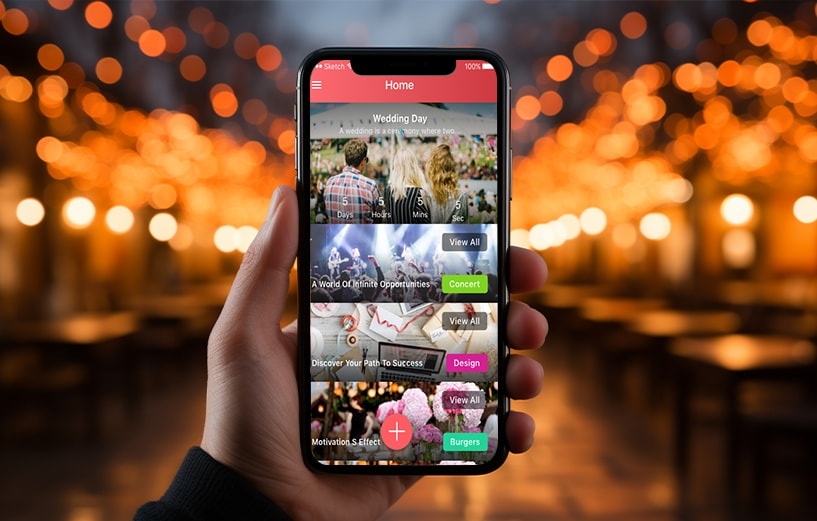
All-in-One Event Planning Platform Drives 85% Operational Efficiency for Modern Event Organizers
Twiito
Twiito is a dynamic event management platform built to streamline how individuals and organizations plan, promote, and execute events—from small private gatherings to large-scale public functions. The platform enables users to create events, sell tickets, send digital invitations
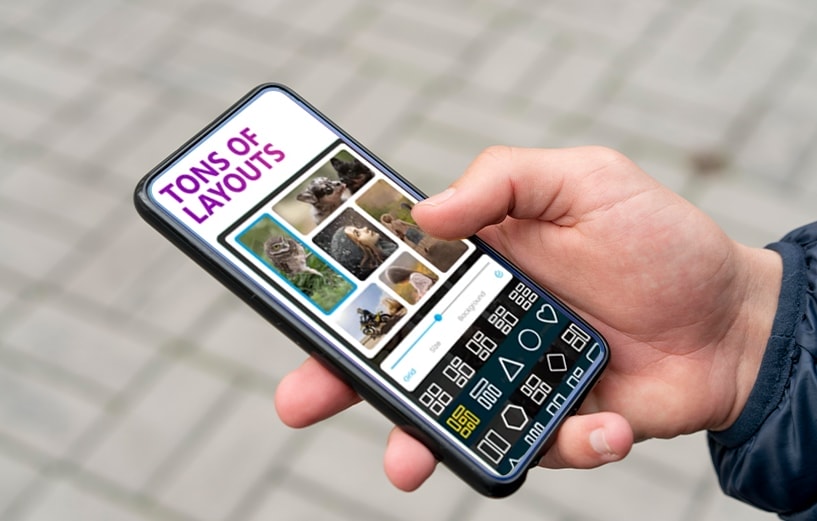
Feature-Rich Photo Editing App Reaches 500K+ Downloads with a 4.8 Rating for Mobile Creators
Mix Pics
Mix Pics is an intuitive photo editing and collage-making mobile app tailored for both casual users and creative enthusiasts. With a powerful toolkit and user-friendly interface, it allows users to craft stunning visual content—from photo edits and patterns to artistic collages
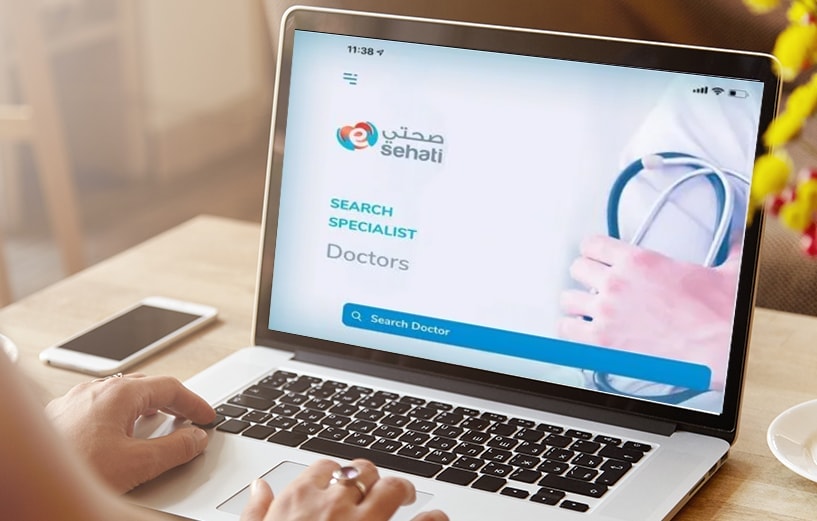
24/7 Telemedicine Platform Delivers 50K+ Consultations with 90% Satisfaction for Remote Patients
eSehati
eSehati is a user-centric mobile healthcare application that brings professional medical consultation and support directly to users—whether they’re at home or traveling. Designed to provide fast, affordable, and convenient access to certified medical professionals, eSehati allows users to chat

Indoor Maps and Smart Deals Drive 100K+ Downloads for a Leading Retail Lifestyle Destination
Mall of Emirates
The Mall of the Emirates (MOE) app is your personal digital guide to one of the most iconic shopping and lifestyle destinations in Dubai. Featuring over 630+ global brands, the app empowers users with instant access to store locations, promotions, and entertainment options

Tournament-Style History Quizzes Lift DAU by 80% for a Gamified Learning Platform
TimeWise
TimeWise is an innovative quiz app that transforms history into an exciting and interactive challenge. It tests players' knowledge by asking them to place historical events before, after, or between specific time spans. The app mixes education and entertainment
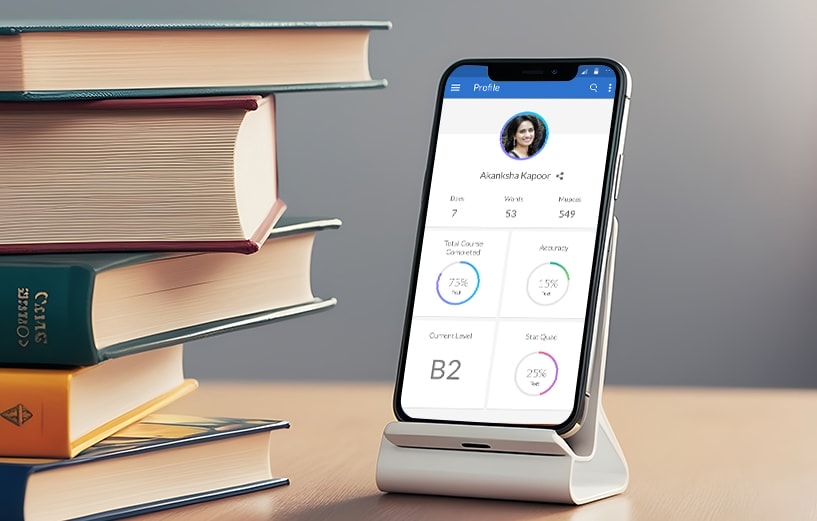
Gamified Vocabulary Learning Improves Retention by 75% for a Competitive Exam-Prep EdTech Platform
Memorytrix
Memorytrix is a gamified vocabulary builder designed to enhance users' English language proficiency, communication skills, and cognitive performance. It combines scientifically-backed learning techniques with engaging activities to help users boost memory, speed, focus, and attention.
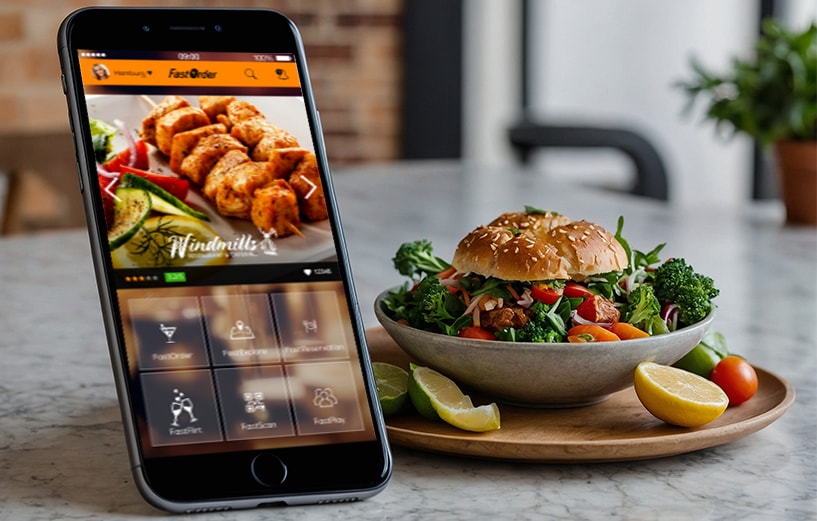
Rewards-Led Food Delivery and Table Booking Increases Orders by 70% for a Multi-City Dining Platform
FastOrder
FastOrder is a modern mobile application that transforms how users explore, order, and reserve at restaurants. Designed with user-friendliness and elegance in mind, the app provides a seamless way to browse local dining spots, place food orders, and make quick reservations—all within seconds.
WHY Us
Why Choose Red Apple Technologies
For Custom Software Development
Choosing the right custom software development company requires more than comparing technical skills. Delivery ownership, architecture, integration experience, quality assurance, and long-term support all influence how well the software performs after launch.
Scalability
Scale Without Rebuilding
Design systems for more users, transactions, features, and integrations without repeated structural rework.
Security
Protect Every Layer
Build authentication, permissions, data protection, and secure integrations into the software from the start.
Maintainability
Change Without Breaking
Use modular architecture, reliable testing, and clear documentation so future changes stay safer and easier.

Performance
Stay Fast Under Load
Remove bottlenecks across code, databases, APIs, and infrastructure so key workflows stay responsive under load.
Cloud Readiness
Deploy Without Friction
Prepare applications for automated releases, resilient infrastructure, monitoring, and predictable cloud scaling.
AI Integration
Make AI Part of the System
Prepare data, workflows, APIs, and governance so AI supports product functions rather than isolated experiments.
CLIENT TESTIMONIALS
What Clients Say When
About Our Software Work

CEO

Founder, Mix Pics

Founder, Esehati

Founder, Score Is Right

CEO, TimeWise

Managing Director
ENGAGEMENT MODELS
Choose The Right Model For
Your Software Project
Choose the model based on scope certainty, internal capacity, delivery ownership, and the level of day-to-day control your team wants to retain.
Fixed-Cost Project
Red Apple owns the agreed scope and release.
Reviews, approvals, and documented changes.
Complete cross-functional software delivery.
Defined software builds and integrations.
Discovery and scope confirmation.
Managed Development Pod
Red Apple owns the agreed delivery workstream.
You set priorities and review delivery.
A managed product engineering pod.
Evolving products and roadmaps.
Backlog alignment and pod setup.
Dedicated Team/Outstaffing
You direct the selected specialists.
Daily planning and delivery management.
Developers, QA engineers, designers, & specialists.
Capacity and specialist gaps.
Profiles, interviews, and onboarding.
CUSTOM SOFTWARE DEVELOPMENT FAQ
Frequently Asked Questions
Yes. Bullets will improve scanability and make several answers more suitable for featured snippets. Definition-based questions should remain primarily in paragraph form, while benefits, process stages, selection criteria, services, and support activities work better as lists.
Custom software development is the process of designing, building, testing, deploying, and maintaining software for a specific business, product, workflow, or user group. Unlike off-the-shelf software, it is developed around the organization’s requirements, data, integrations, security needs, and operating processes.
Custom software may include web and mobile applications, SaaS platforms, enterprise systems, ERP and CRM software, internal tools, AI-enabled applications, and workflow automation solutions.
Custom software is designed around how a business actually operates rather than forcing teams to adapt to a standardized product. Its main benefits include:
- A closer fit with existing business workflows
- Fewer manual tasks and repeated workarounds
- Integration with current platforms and databases
- Greater control over features, data, and access
- Flexibility to add users, functions, and locations
- Ownership of the software and its future roadmap
Custom development is most valuable when standard software creates operational limitations or cannot support essential processes and integrations.
A custom software development process generally includes seven stages:
- Discovery and planning: Define users, workflows, objectives, risks, and requirements.
- Solution architecture: Plan the system, data flows, security, integrations, and infrastructure.
- UX and prototyping: Create user journeys, interface flows, and interactive prototypes.
- Development: Build the frontend, backend, APIs, and integrations in reviewable increments.
- Testing and validation: Verify functionality, performance, security, compatibility, and usability.
- Deployment and handover: Configure environments, migrate data, release the software, and transfer documentation.
- Support and optimization: Monitor performance, resolve issues, and plan future improvements.
Custom software development typically costs between $15,000 and $1 million or more, depending on the product scope, technical complexity, integrations, security requirements, and delivery model.
Indicative project ranges may be presented as:
- Focused MVP or internal tool: $15,000 - $60,000
- Web, mobile, or SaaS product: $45,000 - $120,000
- ERP, CRM, or integration-heavy system: $150,000 - $350,000
- Enterprise platform or modernization program: Scoped through phased discovery (often $350,000 - $1M+)
The final estimate depends on:
- Number and complexity of workflows
- User roles and permissions
- Web, mobile, and multi-platform requirements
- Third-party and legacy-system integrations
- Data migration and reporting
- Security and compliance requirements
- Cloud infrastructure and support needs
- Team structure and delivery timeline
A requirement review or discovery phase is necessary to confirm the architecture, delivery plan, and dependable cost estimate.
When comparing custom software development companies, assess more than programming skills or hourly rates. Review whether the provider offers:
- Relevant software and industry experience
- A clear discovery and development process
- Architecture and integration expertise
- Defined project ownership and communication
- Documented QA and security practices
- Transparent scope and change management
- Source-code and intellectual-property clarity
- Deployment, maintenance, and support capabilities
The right custom software development company should understand the business problem behind the software, not just the requested feature list.
A business should consider custom software when:
- Existing tools require repeated manual workarounds
- Important workflows are spread across disconnected systems
- Off-the-shelf software cannot support essential integrations
- Teams rely heavily on spreadsheets or duplicate data entry
- Current software limits reporting, automation, or growth
- The software will become a commercial product or competitive advantage
Custom development may not be necessary when an established platform already meets the requirement with minimal configuration. The decision should consider long-term costs, ownership, integration needs, and operational impact.
Red Apple Technologies provides custom software development services across:
- Web and mobile application development
- Enterprise software and internal tools
- SaaS product development
- ERP and CRM software development
- AI and machine-learning solutions
- Cloud and DevOps services
- Enterprise integration and API development
- Business process automation
- Immersive technology development
- Software testing and quality assurance
- Application modernization and migration
- Post-launch maintenance and support
An engagement can cover the complete software lifecycle or a defined part of the project.
Yes. Software maintenance and support services can include:
- Application and infrastructure monitoring
- Defect investigation and resolution
- Security and dependency updates
- Performance and database optimization
- Cloud infrastructure improvements
- Regression and compatibility testing
- Integration and API maintenance
- Scaling for growing usage
- Continued feature development
The support model can be structured around planned maintenance, regular release cycles, or an ongoing dedicated engineering team.
READY TO START YOUR
SOFTWARE PROJECT?
Let's Connect
We're here to discuss your ideas and requirements


 Book An Appointment
 WhatsApp